
Why “Good Enough” Cleaning Is Actually Perfect
A gentle reframe on cleaning, perfectionism, and care. This thoughtful guide explores why “good enough” cleaning isn’t a failure—but a healthier, more sustainable way to support your home and your well-being.
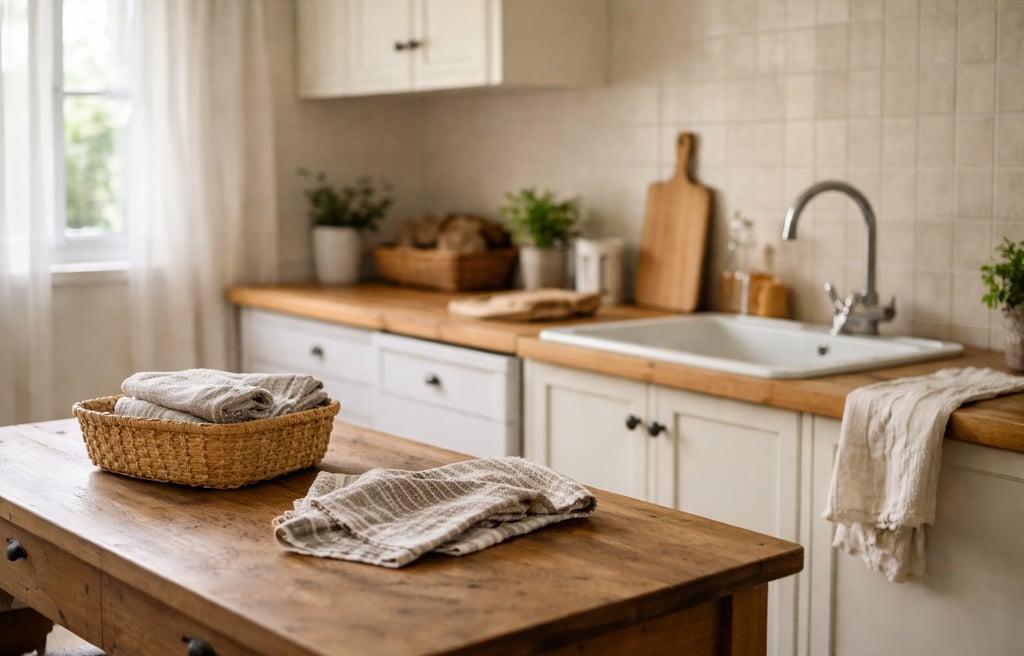
For many people, cleaning isn’t just a household task. It’s emotional. It’s loaded with expectations, comparisons, and quiet self-judgments that show up long before a sponge ever touches a counter.
Somewhere along the way, the idea of a “clean home” became tangled up with ideas of responsibility, success, and even personal worth. A clean space started to mean you were on top of things. A messy one suggested you weren’t trying hard enough.
But real life doesn’t move in straight lines. Homes are lived in. They hold movement, memory, exhaustion, joy, distraction, creativity, and rest—all at once. And when we expect them to look untouched by life, we create tension where there doesn’t need to be any.
This article isn’t about giving up on caring for your space. It’s about redefining what care actually looks like. About understanding why “good enough” cleaning isn’t a failure or a shortcut—but often the healthiest, most realistic choice you can make.
Because a home that supports you doesn’t need to be perfect. It needs to be kind.
Where Our Ideas About “Clean” Come From
The pressure to maintain a spotless home doesn’t appear in a vacuum. It’s shaped by years of messaging—from family expectations to advertising, from social media to cultural norms that quietly equate cleanliness with discipline and value.
We see images of homes that look untouched by real life. Kitchens without fingerprints. Living rooms without signs of movement. Bathrooms that look like no one has ever rushed through them in the morning.
Over time, those images sink in. They create an unspoken standard that feels normal, even when it’s deeply unrealistic.
What’s often missing from those images is context. No mess means no people. No clutter means no activity. No signs of use mean no life happening there.
When we internalize these ideals, cleaning stops being about comfort or function. It becomes about performance. And performance, by its nature, is exhausting.
How Perfectionism Turns Cleaning Into a Heavy Task
Perfectionism doesn’t just raise the bar—it changes how the task feels entirely.
Instead of cleaning being something you do for yourself, it becomes something you do to measure yourself. Each task carries emotional weight. Each unfinished corner feels like evidence of falling short.
This often leads to an all-or-nothing mindset:
If it can’t be done properly, it’s not worth starting
If it’s not finished, it doesn’t count
If it doesn’t look right, it’s wrong
Ironically, this mindset makes cleaning harder, not easier. Tasks feel bigger. Starting feels intimidating. Motivation drops. Guilt rises.
“Good enough” cleaning interrupts this cycle. It allows effort to matter even when outcomes aren’t perfect. It reframes cleaning as something that supports your life, rather than something that competes with it.
What Cleaning Is Actually Meant to Do
At its core, cleaning has a simple purpose: to make a space easier and more comfortable to live in.
That’s it.
Not to impress visitors. Not to reflect discipline. Not to meet an invisible standard.
A clean-enough space:
allows you to move through it safely
supports daily routines without friction
doesn’t actively increase stress
If a room meets those criteria, it’s doing its job.
Everything beyond that is optional. Personal. Flexible.
When we return to this basic definition, cleaning becomes practical again. Neutral. Manageable. And far less emotionally charged.
What “Good Enough” Cleaning Really Looks Like in Daily Life
“Good enough” cleaning doesn’t mean chaos. It means prioritization.
It might look like:
dishes washed but not put away immediately
floors clear enough to walk comfortably
laundry clean but unfolded
bathrooms tidy but not scrubbed to perfection
The space functions. It supports you. It doesn’t demand extra energy just to exist in it.
Good enough also changes with circumstances. A busy week, a stressful season, illness, grief, growth—each one shifts what’s reasonable to expect. And that flexibility is not weakness. It’s awareness.
The Emotional Weight We Attach to Mess
Mess is often interpreted as a personal failure. But in reality, mess is usually a byproduct of life being full.
It can signal:
limited energy
shifting priorities
emotional overload
creative engagement
rest being chosen over upkeep
Responding to mess with shame only adds another layer of stress. Responding with curiosity creates space for compassion.
Instead of asking, “Why can’t I keep up?”
You might ask, “What does this space need right now?”
Sometimes the answer is cleaning. Sometimes it’s rest.
Why “Good Enough” Creates More Consistency
Perfection promises dramatic results—but rarely delivers sustainability.
When standards are rigid, tasks feel heavy. When standards are flexible, tasks feel approachable. And approachability is what creates consistency over time.
Good-enough cleaning:
is easier to start
is less draining to finish
happens more often, even in small ways
Small, regular acts of care tend to create calmer spaces than infrequent, exhausting overhauls. Not because they’re flawless, but because they’re realistic.
Letting Go of the Imaginary Audience
Many cleaning habits are shaped by an imagined observer—someone who might stop by, judge, or notice what’s out of place.
But most homes aren’t lived in by an audience. They’re lived in by people.
When you remove the imaginary viewer, priorities often shift. Comfort matters more than appearance. Function matters more than presentation. Ease matters more than polish.
Your home doesn’t need to be ready for inspection. It needs to be ready for you.
Choosing Your Own Cleaning Priorities
Not all messes affect us equally. Some things genuinely disrupt our sense of calm, while others barely register.
Good-enough cleaning invites you to identify what actually matters to you.
Maybe it’s:
a clear kitchen sink
clean sheets
an uncluttered floor
a tidy workspace
When you focus on the things that truly support your well-being, cleaning becomes more intentional and less draining. You’re not doing everything—you’re doing what counts.
Cleaning as Maintenance, Not a Measure of Worth
Cleaning is ongoing by nature. Like eating or sleeping, it never truly ends.
There will always be another dish. Another surface. Another day.
Seeing cleaning as maintenance removes the pressure to “finish.” It allows you to tend to your space without expecting completion. Without attaching moral meaning to the outcome.
You clean because the space needs care—not because you need to prove anything.
When “Good Enough” Feels Uncomfortable at First
Letting go of perfection can feel unsettling. For some people, high standards feel safe. They offer a sense of control or structure.
It’s normal to feel discomfort when redefining those standards. But discomfort doesn’t mean you’re doing something wrong. It often means you’re adjusting to a kinder way of relating to yourself.
With time, that kindness becomes steadier. Less conditional. More grounding.
Making Peace With the Unfinished
There will always be something left undone. A corner you didn’t get to. A pile waiting for later.
Perfection promises closure. Real life rarely delivers it.
Learning to live comfortably with the unfinished is a quiet skill—one that extends far beyond cleaning. It allows space for rest. For imperfection. For joy that doesn’t depend on everything being resolved.
A Softer Definition of Care
Caring for your home doesn’t require constant effort. It requires attention, responsiveness, and forgiveness.
Good-enough cleaning honors the reality of your life. It adapts to your energy. It supports your well-being instead of competing with it.
A space that holds you—imperfectly, honestly, gently—is doing meaningful work.
Final Reflection
Your home doesn’t need to be perfect to be good.
It doesn’t need to be spotless to be worthy of care.
Sometimes, the most peaceful choice is deciding that what you’ve done is already enough.
And that choice can make room for more joy than perfection ever could.