
The Things We Keep Because They Represent More Than Possessions
Why do we hold onto certain belongings even when we don't use them every day? Discover how possessions often represent memories, future adventures, and meaningful parts of our identity, and why making room for them can be about much more than storage.
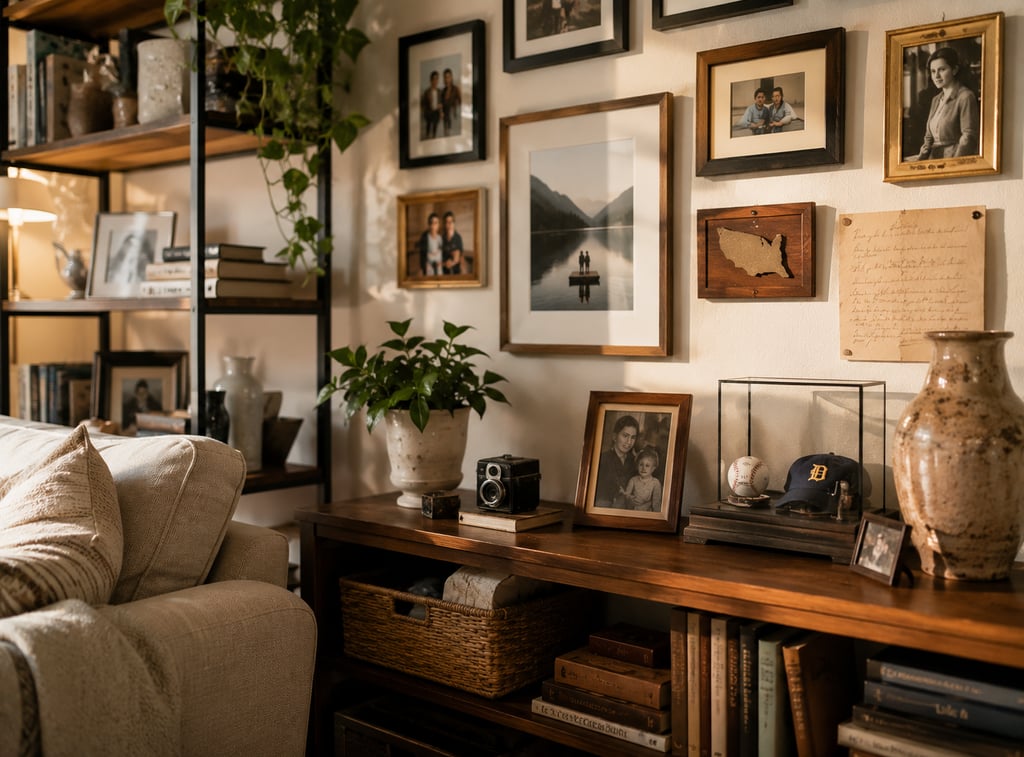
At some point, almost everyone owns something that doesn't make perfect practical sense.
A box of old postcards.
A guitar that hasn't been played in months.
Camping equipment that only comes out a few weekends each year.
A canoe waiting quietly in the garage.
An RV that spends much of the year parked before becoming the center of a family adventure.
To someone else, these things might simply look like belongings taking up space.
To us, they often mean something entirely different.
They represent memories.
Possibilities.
Traditions.
Versions of ourselves that still matter, even if we don't interact with those things every day.
The relationship we have with our possessions is more complicated than it first appears. We don't keep certain items simply because we need them.
We keep them because they remind us who we are, where we've been, and sometimes who we still hope to become.
In that sense, many of the things we own are about much more than storage.
They're about meaning.
Some Possessions Represent A Different Pace Of Life
Think about the belongings that make you happiest.
They're probably not all practical.
Many of them are connected to experiences.
A fishing rod.
A bicycle.
A camera.
A collection of travel souvenirs.
A camper waiting for its next trip.
These objects often symbolize something larger than themselves.
Adventure.
Creativity.
Freedom.
Connection.
Rest.
A different rhythm of life.
An RV, for example, isn't simply a vehicle.
For many people, it represents weekends away from routine, evenings around a campfire, and the possibility of waking up somewhere entirely new.
The object becomes a container for experiences.
This is one reason people sometimes hold onto things that seem unnecessary to others.
The item itself isn't always the point.
The meaning attached to it is.
A kayak isn't just a kayak if it reminds someone of peaceful mornings on the water.
A tent isn't simply camping equipment if it represents summers spent with children who are now adults.
Some possessions become symbols of the life we enjoy living.
And those symbols matter.
Objects Have A Remarkable Ability To Carry Stories
Certain belongings become part of our personal history.
The old camera that captured family vacations.
The suitcase that traveled to different countries.
The bicycle that carried someone through an important season of life.
Objects absorb stories.
Over time, they become reminders of who we were during different chapters of our lives.
A person might look at a canoe and remember learning something new.
Someone else might see a camper and remember a road trip that brought a family closer together.
A set of golf clubs might bring back memories of time spent with a parent or close friend.
The value isn't always in the object itself.
It's in the experiences attached to it.
This is why decluttering can sometimes feel surprisingly emotional.
We're rarely sorting through possessions alone.
We're sorting through memories.
We're sorting through pieces of our own history.
A box of old souvenirs may seem insignificant to someone else.
To us, it may represent years of experiences and moments we don't want to forget.
Hobbies Often Become Part Of Our Identity
The things we enjoy doing eventually become part of how we understand ourselves.
The person who loves fishing.
The person who enjoys hiking.
The person who spends weekends restoring old cars.
The person who takes every opportunity to travel.
The activities we love shape our routines and our relationships. They influence how we spend our free time and what we look forward to.
The equipment associated with those hobbies can begin to represent something larger.
Purpose.
Joy.
Possibility.
Belonging.
We may not use every piece of equipment every day, but it still occupies an important place in our lives.
Keeping room for those interests can feel like keeping room for an important part of ourselves.
This is one reason people often protect the things that support their hobbies and passions.
The items represent more than function.
They represent experiences that make life richer.
Not Everything Valuable Needs To Be Used Constantly
Modern life often encourages efficiency.
If you don't use something regularly, get rid of it.
If it isn't productive, simplify.
There is certainly wisdom in avoiding unnecessary clutter.
But there is also wisdom in recognizing that value isn't always measured by frequency.
A holiday decoration only comes out once a year.
A family photo album may sit on a shelf for months at a time.
A kayak may only touch the water during certain seasons.
Their infrequent use doesn't make them meaningless.
Some of the things that bring us the greatest joy are occasional experiences.
Their value comes from what they make possible.
Not from how often we use them.
The family that camps together only a few weekends each year may still treasure every piece of equipment that makes those experiences possible.
The person who travels once every summer may still deeply value the vehicle that carries them there.
A life filled only with things we use every day might be efficient.
It might also feel a little smaller.
Some Possessions Hold Future Possibilities
Not everything we keep is connected to the past.
Some belongings point toward the future.
A set of camping gear may represent trips that haven't happened yet.
A bicycle may symbolize the intention to spend more time outdoors.
An RV may represent adventures that are still being planned.
Objects can hold hope.
They remind us of the experiences we still want to have.
The places we still want to visit.
The people we still want to spend more time with.
There is something encouraging about having physical reminders of future possibilities.
They quietly say:
There is still more life to experience.
There are still memories waiting to be made.
Keeping certain possessions can be a way of preserving future joy.
A reminder that not every meaningful experience has already happened.
Practicality And Meaning Often Need To Work Together
Of course, meaning doesn't eliminate practical concerns.
Most people have limited space.
Garages become crowded.
Driveways become full.
Storage areas become difficult to navigate.
At some point, many households face the same challenge.
How do you make room for the things that matter without allowing them to create unnecessary stress?
The answer is different for everyone.
But the goal isn't choosing between practicality and sentiment.
The goal is making space for both.
People who own large recreational items often discover that preserving room for the experiences they value sometimes requires practical solutions, which is why some eventually explore options such as RV storage units while balancing everyday living space with the hobbies and adventures they want to keep part of their lives.
The specific solution matters less than the principle.
The things that support joy deserve thoughtful consideration.
A Home Is More Than A Place To Store Things
Our homes are where our lives unfold.
They're where birthdays are celebrated.
Where difficult conversations happen.
Where ordinary evenings become meaningful memories.
Because of this, the things we choose to keep say something about the lives we value.
A shelf of books may reflect curiosity.
Camping gear may reflect a love of adventure.
Musical instruments may reflect creativity.
Travel equipment may reflect a desire to explore.
The objects themselves are only part of the story.
The meaning behind them is often far more interesting.
A home filled with meaningful objects often tells a story about the people who live there.
Not because every possession is valuable.
But because some possessions become symbols of the experiences and relationships that matter most.
The Difference Between Clutter And Meaning
Not every possession carries deep significance.
Some things simply accumulate.
A drawer filled with forgotten items.
A box that hasn't been opened in years.
Belongings that no longer serve a purpose.
But meaningful possessions usually feel different.
They tell stories.
They support experiences.
They remind us of people, places, and moments that matter.
The challenge isn't keeping everything.
The challenge is becoming intentional about what we keep and why.
When we understand the role certain possessions play in our lives, it becomes easier to make thoughtful decisions about the space they occupy.
The goal isn't to own more.
It's to make room for what genuinely matters.
A Life Well Lived Usually Leaves Evidence
A life filled with experiences tends to leave traces.
Photographs.
Souvenirs.
Equipment.
Keepsakes.
Objects attached to memories.
That's not necessarily clutter.
Sometimes it's evidence of a life that has been actively lived.
A reminder that our homes are more than collections of furniture and belongings.
They're collections of stories.
The things we keep often help us remember who we've been and imagine who we still want to become.
A well-used paddleboard.
A stack of travel journals.
An RV waiting for its next journey.
These things aren't always about ownership.
Sometimes they're about possibility.
Making Room For Joy Looks Different For Everyone
One person finds joy in collecting books.
Another finds it in gardening.
Someone else finds it in spending weekends on the road with family.
There isn't one correct way to build a meaningful life.
The important thing is understanding what genuinely adds value to your experience.
The possessions that matter most often support those experiences.
They make certain moments possible.
They create opportunities for connection, adventure, and rest.
A home isn't simply a place to store things.
It's a place that supports the life we want to live.
Sometimes that means making room for practical necessities.
Sometimes it means making room for things that nourish the spirit.
Final Thoughts
The possessions that matter most are rarely just possessions.
They're symbols.
Of memories.
Of relationships.
Of future adventures.
Of the versions of ourselves we still want to make room for.
The kayak may represent peaceful mornings.
The camper may represent family traditions.
The RV may represent freedom and possibility.
The object itself isn't always what we're protecting.
Often, we're protecting the experiences and meaning connected to it.
Because making room for joy isn't always about acquiring something new.
Sometimes it's about thoughtfully preserving the things that remind us how we want to live.
And occasionally, the things we keep are really reminders of the lives we're still hoping to enjoy.