
The Spaces We Feel Better In Often Have One Thing In Common
Why do some places instantly feel welcoming and comfortable? Discover how natural light, openness, and thoughtful design quietly influence mood, well-being, and the way we experience the spaces where we live, work, shop, and gather.
Have you ever walked into a place and immediately felt comfortable?
Maybe it was a small café with sunlight streaming through the windows. Maybe it was a hotel lobby that felt calm despite the steady movement of people. Maybe it was an office that somehow seemed energizing instead of exhausting.
The feeling is familiar, even if it's difficult to explain.
Some spaces simply make us feel better.
Others leave us feeling distracted, tense, or eager to leave.
It's tempting to think this comes down to decoration or personal taste. We assume it's the furniture, the color palette, or the expensive finishes.
Those things certainly play a role.
But often, the spaces we enjoy most have something quieter in common.
They feel open.
They feel welcoming.
They feel connected to the world outside.
And very often, they make thoughtful use of light.
The environments we spend time in shape our experiences in ways we don't always notice. They influence our mood, our energy, and even the quality of our interactions with other people.
Sometimes the difference between a place that feels ordinary and one that feels inviting comes from details that work quietly in the background.
We Experience Places Emotionally, Not Just Physically
Buildings serve practical purposes.
A workplace exists so people can work.
A store exists so people can shop.
A waiting room exists so people have somewhere to sit.
Yet our relationship with spaces is rarely that simple.
We don't just use environments.
We feel them.
Some rooms seem to encourage conversation.
Some spaces make us feel calm.
Others create a subtle sense of discomfort that is difficult to explain.
This happens because our surroundings constantly communicate with us.
Is this place welcoming?
Does it feel safe?
Can I relax here?
Will I enjoy spending time in this environment?
We often answer these questions almost instantly and without conscious thought.
This is one reason why two spaces serving the same purpose can feel completely different.
A restaurant may have excellent food but feel uncomfortable to sit in.
An office may have all the necessary equipment but still feel draining.
A small bookstore may somehow feel more welcoming than a much larger building.
Our experience of a place is shaped by more than its function.
The emotional side of design matters too.
Natural Light Changes The Way We Feel
Think about the places you enjoy spending time in.
Many of them probably have one thing in common.
Natural light.
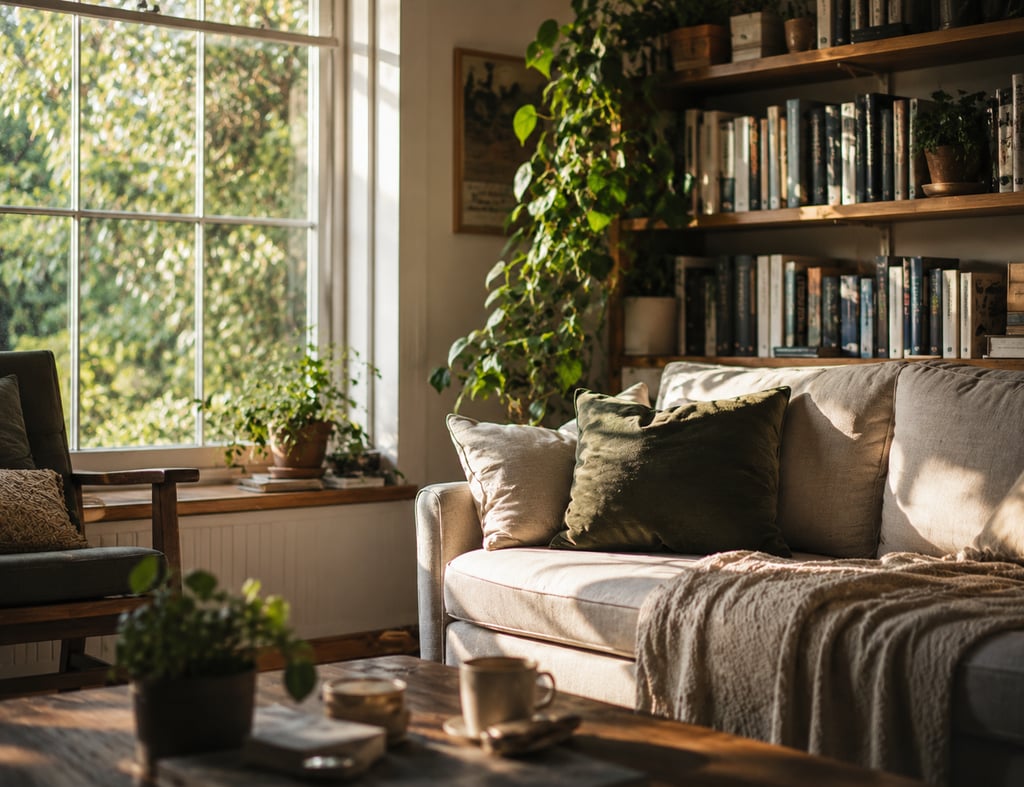
There is something deeply appealing about sunlight entering a room.
It can make spaces feel warmer and more inviting.
It can create a sense of openness, even in relatively small areas.
Research has repeatedly shown that exposure to natural light can support mood, help regulate our internal clocks, and contribute to a greater sense of well-being.
Most of us don't need scientific studies to recognize this.
We feel it instinctively.
People naturally sit near windows in coffee shops.
Employees often prefer workspaces with daylight.
Homebuyers frequently comment on how bright a room feels.
We're drawn toward light.
Not because we're consciously analyzing it, but because our minds and bodies respond to it.
A dark space can feel heavy.
A bright space often feels more alive.
This doesn't mean every room needs dramatic floor-to-ceiling windows.
It simply means that access to light can change the entire experience of a place.
Sometimes a room feels better because it allows us to experience the changing rhythm of the day.
Morning light.
Afternoon sun.
The soft glow of early evening.
These small experiences create a sense of connection that we rarely think about.
Openness Creates A Sense Of Ease
The spaces we enjoy often feel open.
Interestingly, openness isn't always about size.
Some small rooms feel spacious.
Some large rooms feel surprisingly confined.
The difference frequently comes down to design.
Visibility.
Light.
The ability to see beyond the immediate space.
A room that feels open often allows us to relax.
Our attention isn't confined.
Our surroundings feel less restrictive.
This may help explain why people enjoy outdoor patios, large windows, and spaces that create visual connection to the outdoors.
Humans generally respond well to environments that feel expansive rather than enclosed.
Even subtle changes can influence this feeling.
A thoughtfully placed window.
A clear line of sight.
The way natural light moves through a building.
These details may not seem important at first glance.
Yet they can significantly change how we experience a place.
The Places Where We Spend Time Influence Our Well-Being
Many people spend the majority of their day indoors.
At work.
At school.
At stores and restaurants.
In community spaces.
The environments where we spend our time matter.
A bright workplace may feel more energizing.
A welcoming waiting room may reduce anxiety.
A thoughtfully designed store may encourage people to stay a little longer.
This doesn't mean that buildings determine our happiness.
Life is far more complicated than that.
But our surroundings can either support our well-being or quietly work against it.
Consider how different you feel in a crowded, dimly lit room compared to a bright and inviting space.
The difference can be surprisingly noticeable.
Environment shapes experience.
Experience shapes how we feel.
Materials Quietly Influence Experience
Most people don't think much about building materials.
We notice the finished result rather than the components that created it.
Yet materials influence our experience in meaningful ways.
Wood often feels warm.
Stone can feel grounding.
Soft textures can create comfort.
Reflective materials can help spaces feel brighter and more open.
Architects and property owners pay attention to these details because materials influence how people experience a space. This is one reason many modern projects incorporate elements such as commercial glass solutions when creating environments that feel lighter, more connected, and more welcoming.
Good design often works quietly.
Its goal is not simply to impress people.
Its goal is to help people feel comfortable.
The Best Spaces Invite People To Stay
Think about your favorite places.
A coffee shop.
A library.
A hotel lobby.
A restaurant where conversations always seem to last a little longer.
These places often have something in common.
They encourage people to linger.
The lighting feels pleasant.
The environment feels calm.
The space feels welcoming.
Great spaces rarely force experiences to happen.
Instead, they create conditions that allow experiences to happen naturally.
People talk.
People relax.
People connect.
Good design creates opportunities for these moments.
This is true in homes as well.
Certain rooms naturally become gathering places.
Not because anyone planned it that way, but because the environment simply feels good.
The experience of a space can influence the experiences people have within it.
Connection Matters More Than We Think
One reason people often enjoy spaces with natural light and openness is that these environments create a sense of connection.
Connection to nature.
Connection to changing weather.
Connection to other people.
Even seeing trees through a window can make a room feel different.
Even being able to watch the rain can make a space feel comforting.
The world outside reminds us that we are part of something larger.
Environments that feel completely closed off can sometimes leave us feeling disconnected.
Thoughtful design often creates opportunities for connection without demanding our attention.
The best spaces don't announce what they're doing.
They simply feel right.
Beautiful Spaces Don't Need To Be Expensive
It's easy to assume that creating welcoming spaces requires expensive materials and dramatic architecture.
Often, it doesn't.
Many of the qualities that make spaces enjoyable are surprisingly simple.
Light.
Comfort.
Thoughtful layouts.
A sense of openness.
A feeling that people are welcome.
Some of the most memorable places are not the most luxurious.
They're simply the places where people feel comfortable.
The places where they can think clearly.
The places where they can rest.
The places where conversations happen naturally.
The places that somehow make everyday life feel a little easier.
The Spaces Around Us Quietly Shape Our Lives
We sometimes underestimate how much our environments influence us.
The spaces where we spend our time affect our routines.
They shape our experiences.
They influence how we feel.
This doesn't mean every room needs to be perfect.
Life isn't perfect.
Neither are our homes, offices, or public spaces.
But paying attention to the qualities that make spaces feel welcoming can help us create environments that support well-being.
Sometimes that begins with something as simple as allowing more natural light into a room.
Sometimes it's creating greater openness.
Sometimes it's noticing how certain places make us feel and asking why.
Small details can have surprisingly meaningful effects.
The Common Thread
The spaces we feel better in often have one thing in common.
They help us feel comfortable.
They help us feel connected.
They help us feel welcome.
They allow us to breathe a little easier and stay a little longer.
And more often than not, that feeling comes from thoughtful choices that work quietly in the background.
Light.
Openness.
Visibility.
Design that considers not only how a space looks, but also how it feels.
The best environments rarely demand attention.
They simply support the experiences that happen within them.
And perhaps that's one of the most beautiful things about good design.
When it's done well, we don't think about it very much.
We simply feel better.