
The Home Surfaces We Notice Only When They Stop Working For Us
The surfaces we use every day often go unnoticed until they become a source of frustration. Discover how durable, functional home features quietly shape comfort, reduce stress, and help create spaces that make everyday life easier and more enjoyable.
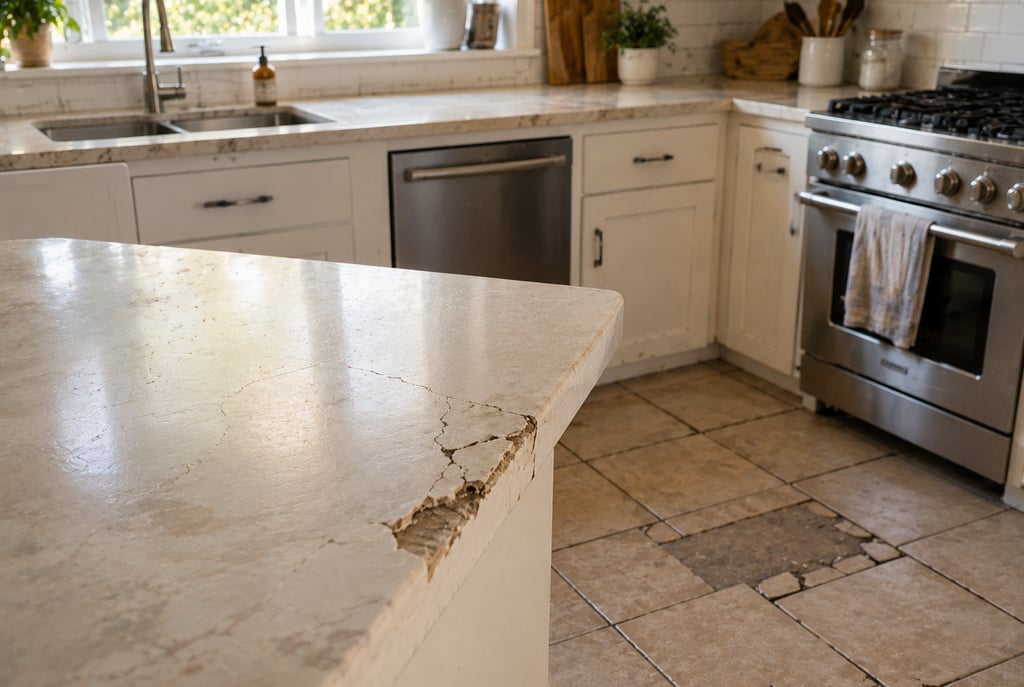
Most of us don't spend much time thinking about our floors.
We think about paint colors and furniture. We notice lighting, artwork, and the little details that make a house feel personal. We spend time choosing pillows, arranging bookshelves, and imagining how a room should look.
The surfaces beneath our feet rarely get the same attention.
Until something changes.
A garage floor becomes stained and difficult to clean. A basement starts feeling damp and neglected. Scratches and cracks begin to appear. The laundry room feels tired no matter how often it's cleaned.
Suddenly, the floor matters.
It's funny how many parts of our homes work this way. The features we rely on most often become nearly invisible simply because they're doing their jobs.
The lights turn on.
The doors open.
The floors support our daily routines.
And because these things work quietly in the background, we rarely appreciate them until they stop working the way we need them to.
But our homes influence our lives more than we sometimes realize. The spaces we live in shape our routines, affect our moods, and quietly support the ordinary moments that make up most of our lives.
The surfaces beneath our feet are part of that story.
The Most Important Parts Of A Home Are Often The Least Exciting
When people dream about home improvements, they often imagine dramatic transformations.
A renovated kitchen.
A beautiful patio.
A redesigned living room.
These projects are exciting because they're easy to notice.
But some of the improvements that change daily life the most are much quieter.
Better storage.
Improved lighting.
A more functional workspace.
A room that's easier to clean.
A durable surface that holds up to everyday use.
These things rarely appear on magazine covers.
Yet they often have an enormous impact on how a home feels.
The best home improvements don't always attract attention.
Sometimes they simply remove friction from everyday life.
A room becomes easier to maintain.
A space becomes more useful.
An area that once felt frustrating becomes enjoyable again.
Comfort isn't always about creating something new.
Sometimes it's about helping a home work better.
Small Frustrations Have A Way Of Growing
One stain on the floor isn't a major problem.
Neither is a small crack.
Or a surface that's slightly harder to clean than it should be.
But everyday frustrations have a way of accumulating.
Little inconveniences slowly shape our relationship with a space.
Over time, we begin to avoid certain rooms.
Projects get postponed.
Spaces become storage areas instead of places we enjoy using.
This happens quietly.
A garage becomes cluttered because it doesn't feel inviting.
A basement becomes forgotten because it always seems unfinished.
A room loses some of its potential because maintaining it feels like too much work.
The environment around us influences our behavior more than we often realize.
A welcoming space invites us in.
A frustrating space gently pushes us away.
This isn't about perfection.
Every home has imperfections.
It's about noticing the small details that either support or complicate daily life.
Because our homes don't simply contain our routines.
They help shape them.
Function Creates Comfort
There is something deeply satisfying about spaces that simply work.
A kitchen where everything has its place.
A mudroom that actually keeps the house organized.
A workspace that feels easy to use.
A garage that functions as more than a place to store forgotten boxes.
Function creates comfort.
And comfort creates ease.
When a room supports the way we actually live, ordinary tasks require less effort.
Cleaning becomes simpler.
Projects become more manageable.
The room itself becomes more enjoyable.
This is one reason practical home improvements often have a larger impact than we expect.
They don't simply change how a space looks.
They change how a space feels.
They reduce friction.
And reducing friction can quietly improve daily life.
We Ask More From Our Homes Than We Used To
Over the past several years, many people have started seeing their homes differently.
Rooms have become offices.
Garages have become workshops and exercise spaces.
Basements have become entertainment rooms and gathering areas.
Our expectations have changed.
We don't simply want our homes to look nice.
We want them to support the way we live.
This shift has encouraged people to pay closer attention to areas they once overlooked.
The laundry room matters.
The garage matters.
The utility room matters.
The surfaces we use every day matter.
Because these spaces affect our routines far more than we once thought.
A room that's easy to maintain and enjoyable to use can encourage better habits and create a greater sense of comfort.
Small improvements can make a surprising difference.
Reliable Spaces Create Peace Of Mind
One of the most underrated forms of comfort is reliability.
A surface that stands up to daily use.
A room that doesn't constantly need repairs.
A space that's easy to maintain.
These things may not feel exciting.
But over time, they create something valuable.
Peace of mind.
There's comfort in knowing that your home is working with you rather than against you.
You don't have to worry about every spill.
You don't feel frustrated every time you walk into a room.
You can simply use the space and enjoy it.
This kind of reliability quietly reduces stress.
And small reductions in stress can make a home feel significantly more comfortable.
Practical Choices Can Also Be Beautiful
For a long time, people often viewed practicality and beauty as opposites.
Something was either functional or attractive.
Today, many homeowners expect both.
They want spaces that look good and work well.
They want materials that hold up over time without sacrificing appearance.
They want rooms that support daily life while still feeling welcoming.
Homeowners updating garages, basements, and other high-traffic areas often spend time researching materials that are easier to maintain and built for long-term use, which is why some eventually explore options such as epoxy flooring solutions in Madison, Alabama while planning improvements to their homes.
The specific material matters less than the broader lesson.
Good design doesn't require a choice between practicality and beauty.
The best spaces often provide both.
The Environment Around Us Shapes Our Habits
The places where we spend our time influence our behavior.
A comfortable reading corner encourages us to slow down.
An organized workspace makes it easier to focus.
A welcoming outdoor space encourages us to spend more time outside.
A functional garage may inspire us to finally tackle projects we've been putting off.
The environments we create can support the kind of lives we want to live.
This is why thoughtful home improvements often feel surprisingly meaningful.
They're not merely cosmetic changes.
They're investments in everyday experiences.
The goal isn't perfection.
The goal is creating spaces that make ordinary life feel a little easier.
A little calmer.
A little more enjoyable.
The Best Home Features Often Go Unnoticed
Think about the things in your home that work exceptionally well.
You probably don't think about them very often.
That's the point.
The best features quietly support daily life without demanding attention.
Reliable lighting.
Comfortable temperatures.
Functional storage.
Durable surfaces.
These things create comfort precisely because they fade into the background.
We tend to notice them only when something goes wrong.
And perhaps that's why they deserve a little more appreciation.
The invisible parts of our homes often have the biggest influence on how our lives unfold inside them.
Home Is Built On Ordinary Moments
A joyful home isn't created through perfection.
It's built through ordinary experiences.
Cooking dinner.
Helping children with homework.
Working on hobbies.
Hosting friends.
Cleaning up after celebrations.
Enjoying a quiet morning with coffee.
The spaces where these moments happen matter.
And the practical details that support them matter too.
Comfort is often created slowly.
One improvement at a time.
One solved frustration at a time.
One space that works a little better than it did before.
The most meaningful changes are sometimes the quietest ones.
We Often Appreciate Things Too Late
There is something interesting about human nature.
We often appreciate things most after they stop working.
A favorite coffee maker.
A reliable car.
A comfortable chair.
The same is true of our homes.
The surfaces beneath our feet rarely receive much attention.
Until they become difficult to maintain.
Until they begin creating frustrations.
Until we realize how much they influence our routines.
By then, we often understand something important.
The most used parts of a home deserve more attention than we usually give them.
Because our homes are not simply backdrops for our lives.
They participate in our daily experiences.
They support our routines.
They influence our comfort.
And sometimes, improving a home isn't about creating something entirely new.
Sometimes it's simply about helping the parts we already depend on work a little better.
The Quiet Value Of Spaces That Work Well
The homes we love most are rarely perfect.
They're simply the homes that make everyday life feel easier.
The rooms that support our routines.
The spaces that feel comfortable and welcoming.
The places that allow us to focus less on frustration and more on living.
Sometimes the improvements that matter most aren't dramatic.
They're practical.
Thoughtful.
Quiet.
A better storage system.
A more functional room.
A surface that stands up to the realities of everyday life.
These changes may never become the centerpiece of conversation.
But they can change the way a home feels.
And perhaps that's the best kind of improvement.
The kind that quietly supports the life happening around it.