
The Groundwork That Makes Outdoor Spaces Feel Finished
Beautiful outdoor spaces begin long before the flowers bloom or the furniture arrives. Discover why groundwork, soil, drainage, and thoughtful preparation play an essential role in creating outdoor spaces that feel welcoming, functional, and built for everyday enjoyment.
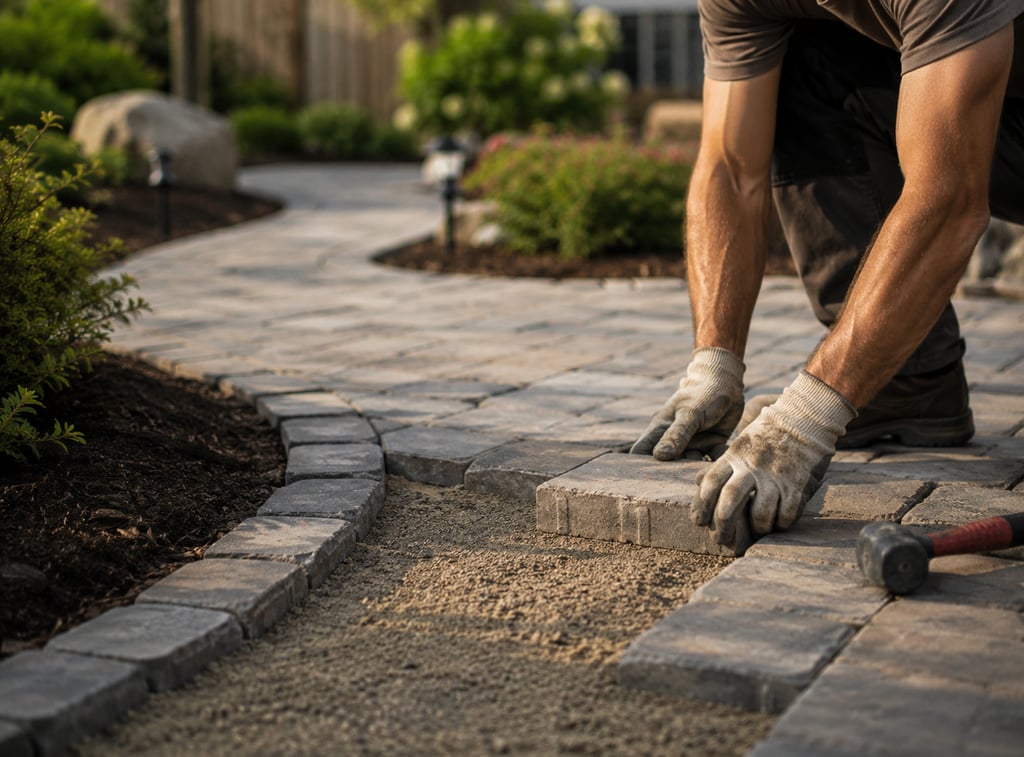
Most of us can remember a backyard that simply felt good to be in.
Maybe it belonged to your grandparents. Maybe it was a neighbor's patio where summer evenings seemed to last forever. Maybe it was a small garden that somehow made an ordinary house feel warm and welcoming.
When we think about these places, we usually remember the visible details.
The flowers.
The fire pit.
The shade tree.
The string lights.
The comfortable chairs.
What we rarely think about is everything underneath.
The level ground that kept the chairs from wobbling.
The gravel path that stayed usable after a rainstorm.
The soil that allowed plants to thrive.
The drainage that quietly prevented puddles and erosion.
The groundwork.
It's not the part of an outdoor space that earns compliments. Most visitors never notice it at all.
Yet it often determines whether an outdoor space feels inviting, functional, and complete.
There's something surprisingly meaningful about that idea.
Because many of the things that make life feel stable and beautiful work the same way.
The foundations are often invisible.
The results are what we notice.
Outdoor Spaces Are More Important Than We Sometimes Realize
For many years, outdoor areas were often treated as secondary spaces.
The yard was simply the yard.
The patio was somewhere to put a grill.
The garden was nice to have if there was time to maintain it.
In recent years, many people have begun seeing their outdoor spaces differently.
A backyard can become an extension of the living room.
A patio can become a place for conversation and connection.
A small garden can become a source of calm after a difficult day.
Even a modest outdoor space can offer something increasingly valuable in modern life.
A reason to slow down.
Research has consistently shown that spending time outdoors can support emotional well-being, reduce feelings of stress, and encourage more movement and connection. Most of us don't need scientific studies to tell us this, though.
We already know it.
We feel it when we sit outside with a cup of coffee.
We feel it when children run through the yard.
We feel it when fresh air and sunlight somehow make the day seem a little lighter.
Outdoor spaces can shape our routines and experiences more than we often realize.
We Notice The Finishing Touches First
Human beings naturally pay attention to visible things.
We notice beautiful landscaping.
We admire flowering plants.
We compliment a new patio or a carefully designed walkway.
These details matter.
They add personality and warmth.
They help transform outdoor areas into places people want to spend time in.
But visible beauty rarely succeeds on its own.
A gorgeous garden struggles if the soil can't support healthy growth.
A patio becomes frustrating if water constantly pools nearby.
A pathway quickly loses its charm if it becomes muddy every time it rains.
The finishing touches usually depend on practical work that happened much earlier.
This is true in landscaping.
It's also true in many areas of life.
Strong relationships often depend on countless small acts of care.
Successful projects rely on planning that nobody sees.
Confidence often grows from quiet habits repeated over time.
The visible result usually rests on an invisible foundation.
The Ground Beneath Everything Matters
When people begin outdoor projects, they often dream about the final result.
The finished garden.
The entertaining space.
The place where family and friends will gather.
Few people become excited about soil preparation or grading.
Yet these details matter tremendously.
The ground beneath an outdoor space affects nearly everything that comes afterward.
Will water drain properly?
Will plants receive the support they need?
Will surfaces remain stable over time?
Will the area stay functional through changing seasons?
The answers often begin below the surface.
Good groundwork creates possibilities.
Poor groundwork can create frustrations that linger for years.
This doesn't mean every project requires extensive work.
It simply means that foundations deserve attention.
The things we don't immediately notice often influence our experience more than we expect.
Good Outdoor Spaces Invite Us To Live Differently
One of the most interesting things about outdoor environments is how they influence behavior.
A comfortable patio encourages people to spend more time outside.
A shaded corner becomes a favorite reading spot.
A fire pit invites conversation.
A welcoming yard often becomes a gathering place.
These things sound simple.
Yet simple experiences can have a meaningful impact on daily life.
The spaces we create influence the moments we experience.
An inviting backyard may encourage family dinners outdoors.
A garden may provide a quiet place to reflect.
A comfortable outdoor space may become the setting for birthday celebrations, conversations, and memories.
The environment shapes the experience.
This is why outdoor projects are often about much more than appearance.
They're about creating opportunities for connection.
Practical Details Quietly Shape Comfort
Some of the most important features of an outdoor space are also the least visible.
Drainage.
Stability.
Accessibility.
Proper grading.
The right materials in the right places.
These details don't usually appear in photographs.
Yet they often determine whether a space feels comfortable and usable.
A beautiful seating area isn't particularly relaxing if it becomes muddy after every storm.
A garden path isn't very inviting if it's difficult to walk on.
A gathering space doesn't feel finished if standing water becomes a recurring problem.
The practical side of landscaping rarely receives the same attention as decorative elements.
Still, practical decisions often create the conditions that allow beauty to thrive.
Many homeowners eventually discover that successful outdoor projects begin with these foundational details, which is why people planning landscaping improvements sometimes explore resources such as rock and dirt delivery in Huntsville while preparing their properties for larger transformations.
Preparation may not be glamorous.
But it often makes everything else possible.
Nature Doesn't Need To Look Perfect
It's easy to believe that enjoyable outdoor spaces need to resemble magazine photographs.
Perfect gardens.
Perfect patios.
Perfect landscaping.
Real life usually looks different.
Leaves fall.
Plants grow unevenly.
Projects remain unfinished.
The weather changes everything.
Outdoor spaces are living environments.
They shift with the seasons and evolve over time.
And perhaps that's part of their charm.
A welcoming backyard doesn't need perfection.
It needs personality.
It needs comfort.
It needs room for ordinary life to happen.
Some of the most memorable outdoor spaces are simple.
A few chairs under a tree.
A gravel path through a garden.
A small patio where people gather.
The value of a space often comes from how it makes people feel, not how perfectly it appears.
Small Improvements Can Have A Big Impact
Not every outdoor project needs to be extensive.
Sometimes relatively small changes can transform how a property feels.
Creating a pathway.
Improving drainage.
Adding garden beds.
Defining an area for seating.
Planting shade trees.
These improvements may seem modest.
Yet they can change how often people use their outdoor spaces and how enjoyable those experiences become.
The relationship between people and their surroundings is surprisingly powerful.
We tend to spend more time in spaces that feel comfortable and inviting.
We avoid spaces that feel difficult or neglected.
Small improvements can quietly encourage new routines and experiences.
Sometimes a better outdoor space becomes a reason to step outside more often.
And that's no small thing.
Foundations Matter In More Than Landscaping
Perhaps this is why the idea of groundwork resonates so strongly.
Many worthwhile things begin with foundations that are easy to overlook.
Trust develops through small acts of consistency.
Strong communities grow through repeated acts of care.
Skills develop through practice that nobody sees.
Beautiful outdoor spaces often emerge from practical work that receives very little attention.
The visible results may be exciting.
The groundwork is what makes them possible.
There is something comforting about this idea.
Not everything important demands attention.
Some things quietly support everything around them.
A Finished Space Is Really A Beginning
Completing an outdoor project can feel like reaching the end of a long process.
In reality, it's usually the beginning of something else.
The beginning of summer evenings outdoors.
The beginning of family gatherings.
The beginning of children playing in the yard.
The beginning of quiet mornings with coffee and birdsong.
The space itself is not the destination.
The experiences it makes possible are what matter most.
That's one reason outdoor projects often feel meaningful.
They create settings where life happens.
And life rarely unfolds in dramatic moments alone.
It unfolds in ordinary afternoons and simple conversations.
It unfolds in places that invite us to linger.
The Joy Of Spaces That Feel Welcoming
The outdoor spaces we remember most are rarely the most expensive.
They're often the ones that feel comfortable.
The ones that encourage us to stay a little longer.
The ones that create room for connection, rest, and everyday moments.
And those spaces usually depend on details that most people never notice.
The soil.
The grading.
The materials.
The groundwork.
Because in outdoor spaces, as in life, the things quietly supporting us often deserve more appreciation.
The foundations matter.
Even when no one sees them.
Perhaps especially then.